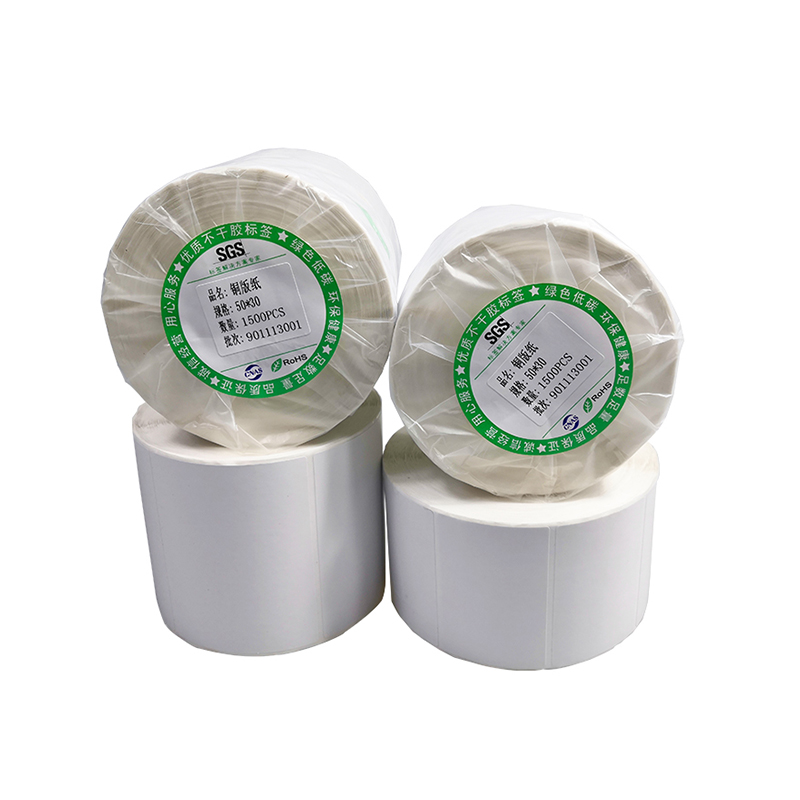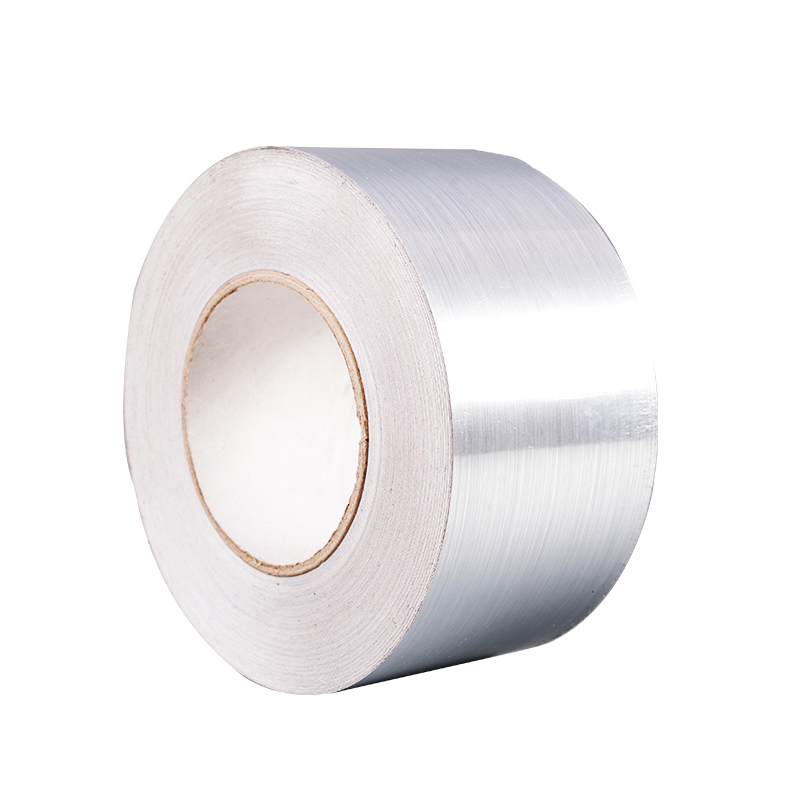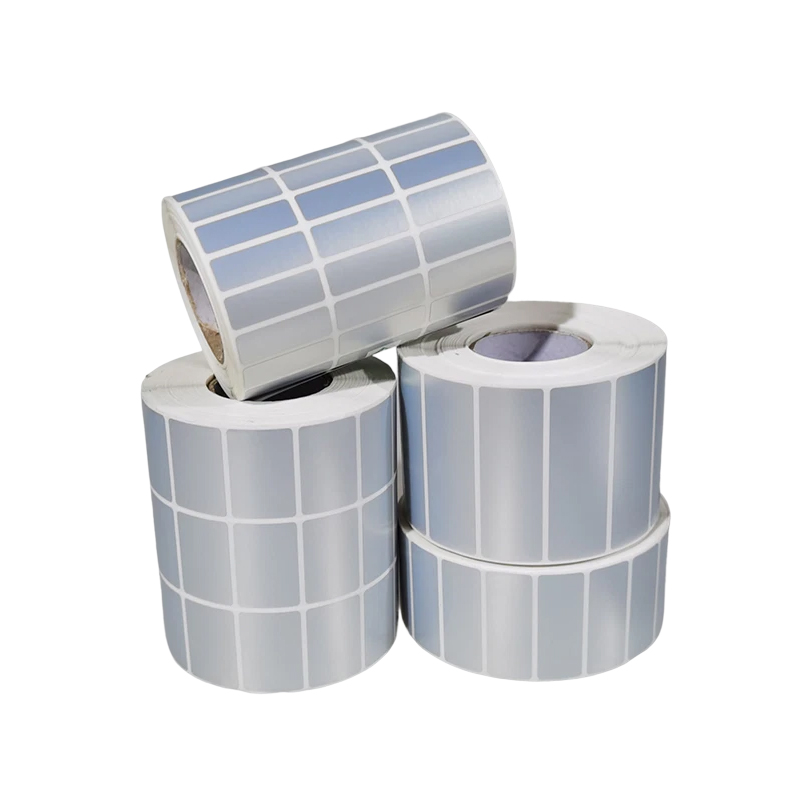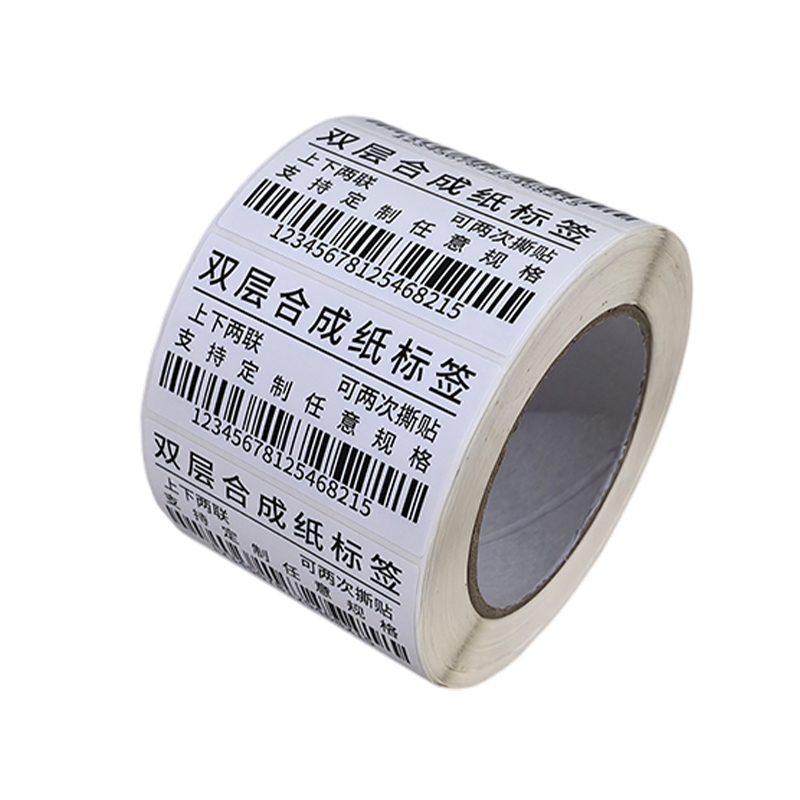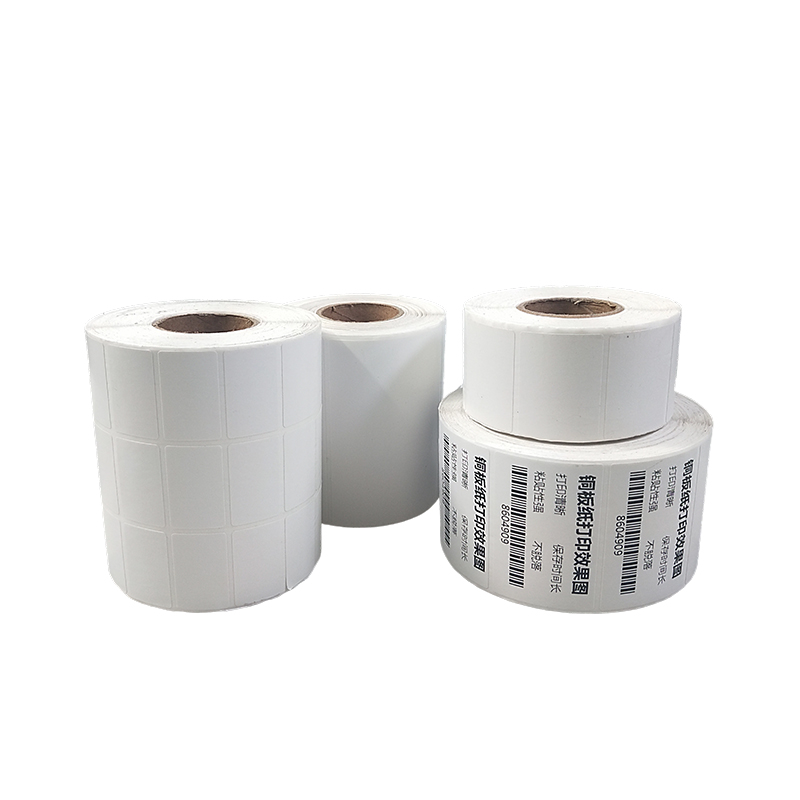
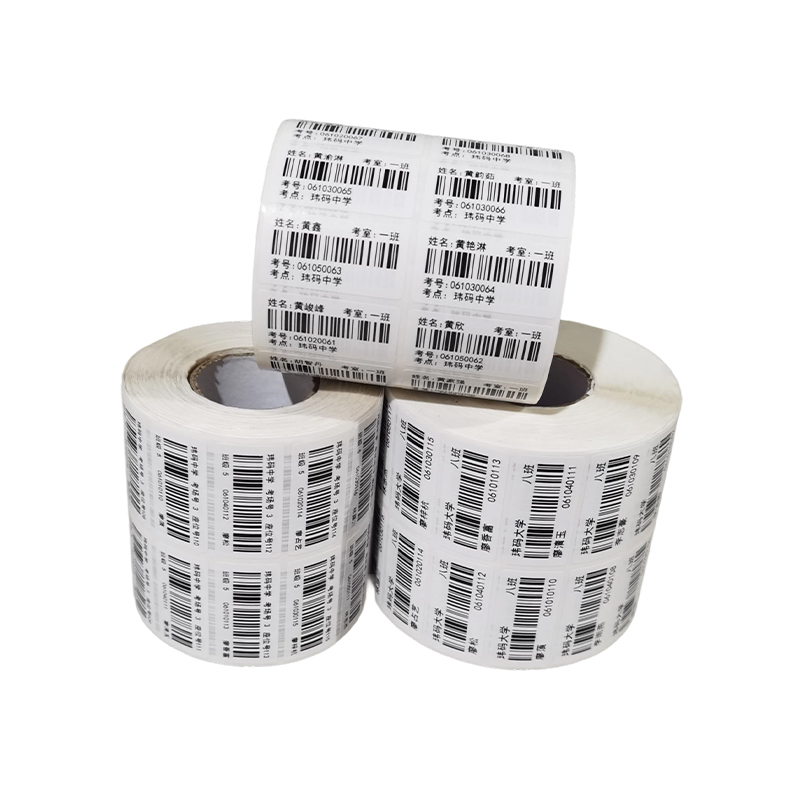
Traditionally, paper is often perceived as a fragile and environmentally vulnerable material, seemingly inherently prone to disintegration in water and permeability to oil.
- +86-13320349063
- 1546099403@qq.com
- No. 30-33, No. 45, Shiqiaopu Shixin Road, Jiulongpo District, Chongqing

- Home
-
Our Services
- Coated Paper
- Synthetic Paper
- Matt Silver Paper Label
- Light Silver Brushed White Background
- Silver Brushed Blue Background
- White Pet Label
- Color Printed Label
- Light Silver Brushed Blue Checkered Background
- Removable Label
- Thermal Synthetic Paper
- Thermal Paper
- Double Layer Synthetic Paper
- Double Coated Paper
- Wax Ribbon
- Enhanced Mixed Base Ribbon
- Full Resin Ribbon
- Display
- Solutions
- News
- About
- Partners